
Cable assembly services
High-flex cables for machines that move.
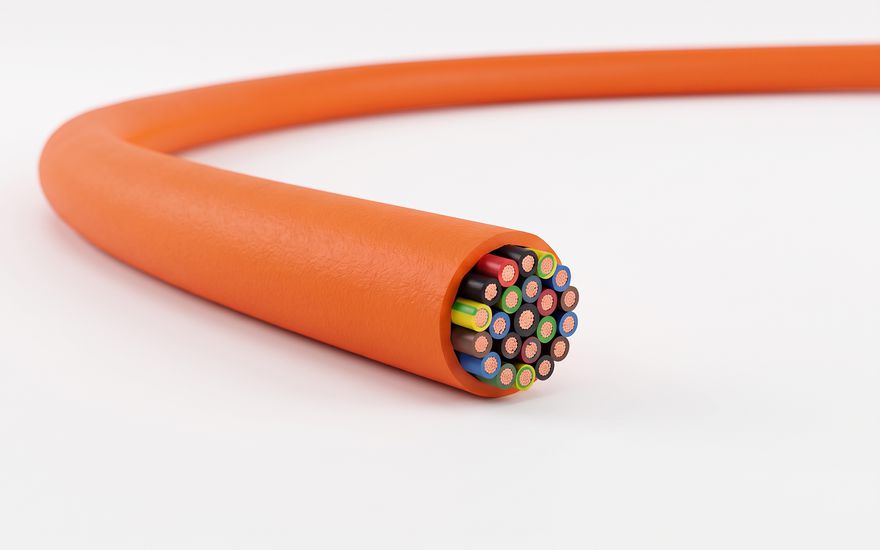
Pecko builds flexible cable assemblies for cable carriers, robots and other moving machinery: continuous-flex cable with fine-stranded conductors and PUR or TPE jackets, terminated and tested to your drawing, with cable chosen for the repeated bending and twisting it will see.
- Since 1981Manufacturing experience, founded in Singapore
- 25,000+Projects completed
- 20Industries served
- 3Factories in Singapore, Malaysia and China
Overview
What is flexible cable assembly?
Flexible cable assembly means building cables for the parts of a machine that move: runs through drag chains, along robot arms and across moving axes. Standard cable fatigues under constant motion, breaking strands and cracking jackets, so these assemblies use continuous-flex cable with fine stranding, flex-rated jackets and a construction designed for bending or torsion. Use it whenever a cable moves with the machine rather than staying fixed in place.
- Fine-stranded, flex-rated conductors
- PUR and TPE jacket options
- Built for bending or torsion
- Strain relief at the connector
Features
What our flexible assemblies deliver
Moving cables fail at predictable places: the conductors, the jacket and the point where cable meets connector. Each of those is chosen or built with motion in mind.
-
Fine-stranded conductors
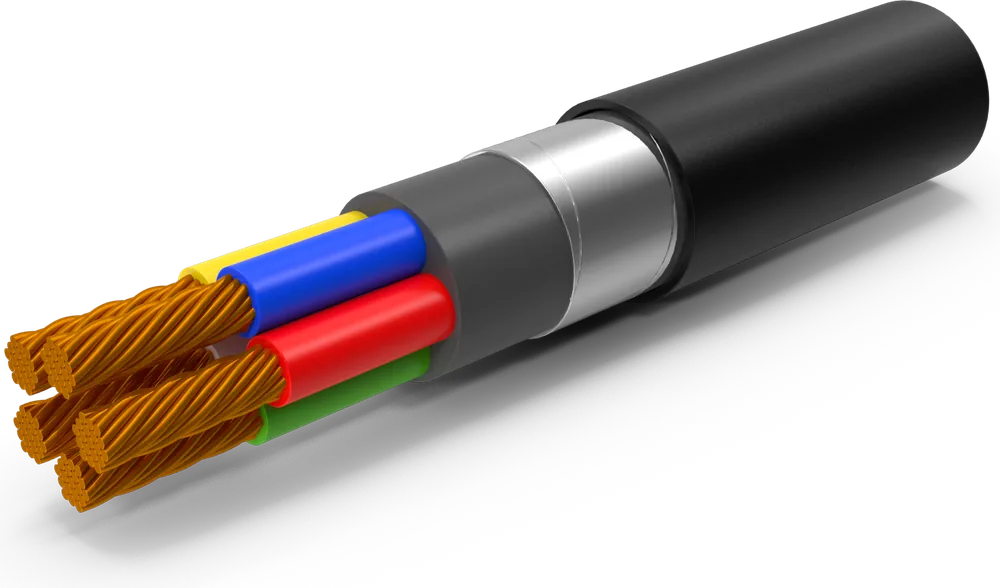
Conductors made of many fine strands, twisted with a short lay, spread bending stress and resist the fatigue that breaks ordinary wire.
-
Flex-rated jackets
PUR and TPE jackets stay flexible and resist abrasion, with PUR a common choice where oils and coolants are present.
-
Matched to the motion
Cable constructions selected for the motion involved, whether back-and-forth rolling in a carrier or the twisting of a robot axis.
-
Protected terminations
Molded or clamped strain relief keeps flexing away from crimps and solder joints, where a moving cable is most likely to fail.
Capabilities
Our flexible cable capabilities
From cable selection to final test, we build moving-cable assemblies in our own factories, to your drawing and the way your machine moves.
Cable selection support
Our engineers help match cable construction, jacket and conductor size to bend radius, travel length, speed and the environment.
Drag chain assemblies
Power, signal and bus cables terminated for cable carriers, with lengths and clamp positions built to your drawing.
Robot and torsion cables
Cables for rotating robot joints, built so twist is spread along the cable length rather than concentrated at the connector.
Sensor and motor connectors
M8, M12 and other circular connectors, plus motor and encoder plugs, terminated onto high-flex cable to your pinout.
Shielded high-flex builds
Shielded cables for servo motors, encoders and bus signals, with braids terminated to keep noise out while the cable moves.
Final checks
Continuity, pinout and shield checks, plus inspection of strain reliefs, run to the test plan agreed in your quote.
Why Pecko
Why OEMs choose Pecko
A manufacturing partner should make your program simpler. These are the reasons customers bring their assemblies to Pecko, and keep them here.
-
Expertise and experience
Wire harness and cable assembly work since 1981, across 20 industries and 25,000+ projects.
-
Quick turnarounds
Clear quotes, confirmed schedules and regular updates, from the first prototype to every production release.
-
High flexibility
Engineering changes, revisions and schedule shifts handled without starting your program over.
-
Cost-effectiveness
Design-for-manufacture advice, global sourcing and efficient processes keep your unit cost down.
-
Small and large volumes
From a handful of prototypes to high-volume production, with capacity across three factories.
-
Caring customer service
A team that answers technical questions quickly and follows your program from quote to delivery.
Applications
Where flexible cables are used
Flexible assemblies belong wherever a cable travels with the machine, bending or twisting on every cycle.
Industrial robots
Power, feedback and I/O cables routed through rotating joints and along robot arms.
CNC machine tools
Axis motor, encoder and sensor cables running in carriers alongside spindles and moving tables.
Packaging machinery
Pick-and-place heads, gantries and indexing stations that cycle continuously during production.
Semiconductor equipment
Moving-stage and wafer-handling cables inside tools where space is tight and motion is constant.
Warehouse automation
Storage and retrieval systems, shuttles and sorters that move repeatedly throughout the day.
Medical and lab
Cables for moving axes in imaging systems, lab automation and sample-handling robots.
Quality
Quality built into every connection
Quality is designed into the process rather than inspected in at the end. Every program follows the same four steps, in an ISO-certified manufacturing environment.
Agree the specification
We review your drawing, materials and acceptance criteria with you before anything is built.
Prove the first article
A prototype or first article confirms fit, form and function before production starts.
Build to documented processes
Production follows documented work instructions at every step, from cutting to final assembly.
Test before it ships
Every order is tested against the plan agreed in your quote before it leaves the factory.
FAQ
Questions buyers ask
Can't find your answer? Send us your drawing and questions, and our engineers will come back to you.
How is high-flex cable different from standard cable?
Most cable is flexible enough to install, bending a few times and then staying fixed. Continuous-flex cable is built for motion that repeats all day, with finer stranding, shorter lay lengths and jacket compounds chosen to resist fatigue and abrasion over many cycles.
Can I use PVC cable in a drag chain?
Only if the cable is designed for it. Some PVC cables are made for carriers, but general-purpose PVC cable can crack or break strands under constant flexing. PUR and TPE are common choices where abrasion, oil or low temperatures are a concern.
What information do you need to specify a flexible cable?
Tell us the type of motion, whether rolling, bending or twisting, along with travel length, speed, the tightest bend radius, and any oils, coolants or temperature extremes. With those details our engineers can recommend a cable construction and termination approach for your drawing.
How long will a flexible cable assembly last?
Service life depends on the cable construction, bend radius, speed, travel and environment, so no single figure applies to every machine. Choosing cable rated by its maker for continuous flex, and respecting its minimum bend radius, matters most. We can build with the specific cable brand and part number your drawing names.