
Cable assembly services
Cable assemblies for heat, oil and vibration.
Pecko builds harsh environment cable assemblies for equipment that runs hot, wet, oily or under constant vibration. We match jacket materials, seals, connectors and strain relief to the conditions your assembly will face, then build it to your drawing and agreed test plan.
- Since 1981Manufacturing experience, founded in Singapore
- 25,000+Projects completed
- 20Industries served
- 3Factories in Singapore, Malaysia and China
Overview
What is a harsh environment assembly?
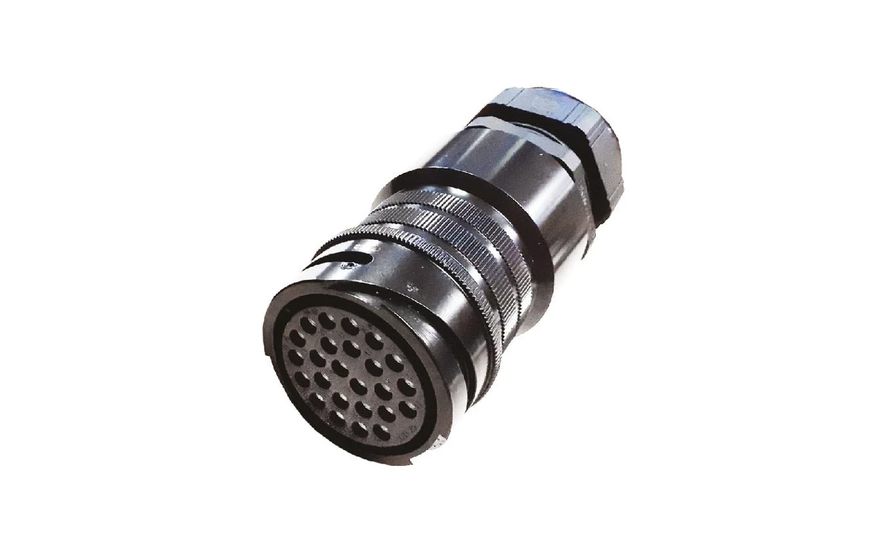
A harsh environment cable assembly is built to keep working where heat, water, oil, chemicals, abrasion or vibration would break down an ordinary cable. The difference lies in the details: jacket and insulation materials that resist the specific exposure, sealed connectors, strain relief at every transition, and locking hardware that stays mated under shock. Each choice is made against the conditions the assembly will actually meet.
- Jackets chosen for heat, oil or chemicals
- Sealed connectors and overmolded transitions
- Locking hardware that resists vibration
- Strain relief where cables flex
Features
Designed for heat, fluids and motion
Harsh conditions attack a cable at its weakest points. These features protect the jacket, the terminations and the mated connection.
-
Heat-rated materials
Insulation and jacket compounds such as silicone and fluoropolymers are chosen when an assembly runs near engines, ovens or other hot equipment.
-
Sealing against moisture
Sealed connectors, wire seals and overmolded or heat-shrink transitions keep water and washdown spray away from the contacts.
-
Oil and abrasion resistance
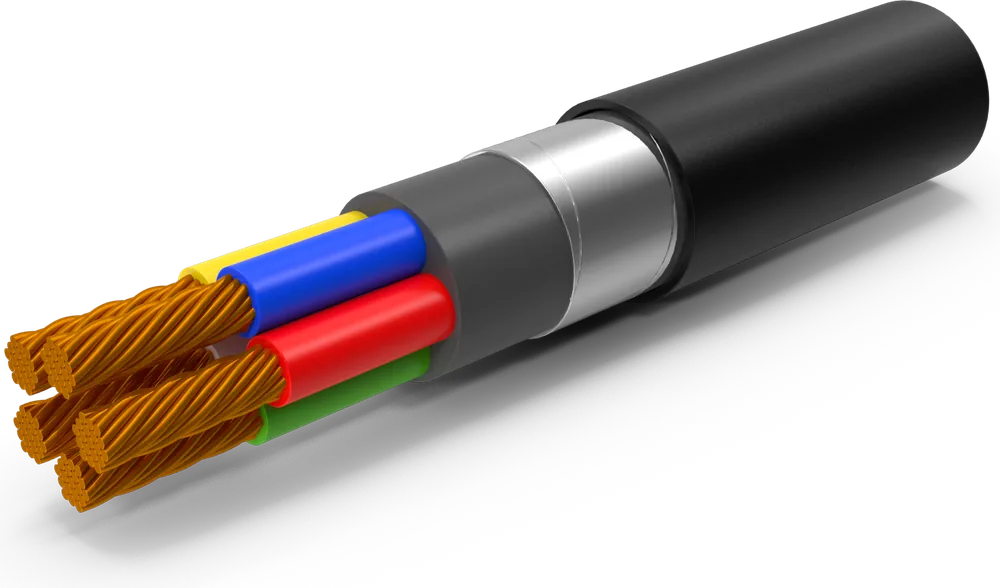
Jacket compounds such as polyurethane resist oil and abrasion, keeping the cable from swelling, cracking or wearing through in machine environments.
-
Locking against vibration
Positive-locking connectors, secondary locks and cable clamping keep connections mated and stop wires fatiguing where they leave the connector.
Capabilities
Our harsh environment capabilities
We start from the exposure list in your specification and carry it through material choice, assembly and final testing.
Environment review
Engineers go through temperature range, fluids, flexing and mounting with you, and point out where the drawing may need a tougher material.
Material selection
Insulation, jacket compound, sleeving and connector housings chosen together, so no single part becomes the weak link.
Overmolded transitions
Molded strain reliefs and breakouts enclose the transition between cable and connector, sealing it and spreading bending loads.
Sealed terminations
Wire seals and cavity plugs installed as the connector maker specifies, with adhesive-lined heat-shrink where cable meets connector.
Abrasion protection
Braided sleeving, convoluted tubing and protective wraps guard the jacket where it rubs against frames, edges or moving parts.
Testing to your plan
Continuity, insulation resistance and any sealing or pull-force checks, run to the test plan agreed in your quote.
Why Pecko
Why OEMs choose Pecko
A manufacturing partner should make your program simpler. These are the reasons customers bring their assemblies to Pecko, and keep them here.
-
Expertise and experience
Wire harness and cable assembly work since 1981, across 20 industries and 25,000+ projects.
-
Quick turnarounds
Clear quotes, confirmed schedules and regular updates, from the first prototype to every production release.
-
High flexibility
Engineering changes, revisions and schedule shifts handled without starting your program over.
-
Cost-effectiveness
Design-for-manufacture advice, global sourcing and efficient processes keep your unit cost down.
-
Small and large volumes
From a handful of prototypes to high-volume production, with capacity across three factories.
-
Caring customer service
A team that answers technical questions quickly and follows your program from quote to delivery.
Applications
Where harsh environment assemblies work
These assemblies belong wherever equipment sits outdoors, near heat or fluids, or on machinery that vibrates all day.
Off-highway vehicles
Engine, hydraulic and cab connections on construction and agricultural machines exposed to mud, fuel and shock.
Factory automation
Sensor and actuator cables on machine tools, where coolant, oil and chips reach the wiring.
Food processing
Assemblies for equipment that is washed down regularly with water and cleaning chemicals.
Marine
Deck and engine-room cabling exposed to salt spray, humidity and constant motion.
Energy and utilities
Outdoor connections for solar, wind and substation equipment facing sun, rain and temperature swings.
Rail and transit
Undercar and equipment wiring that must ride out constant vibration, dust and weather.
Quality
Quality built into every connection
Quality is designed into the process rather than inspected in at the end. Every program follows the same four steps, in an ISO-certified manufacturing environment.
Agree the specification
We review your drawing, materials and acceptance criteria with you before anything is built.
Prove the first article
A prototype or first article confirms fit, form and function before production starts.
Build to documented processes
Production follows documented work instructions at every step, from cutting to final assembly.
Test before it ships
Every order is tested against the plan agreed in your quote before it leaves the factory.
FAQ
Questions buyers ask
Can't find your answer? Send us your drawing and questions, and our engineers will come back to you.
How do you choose the right jacket material for a harsh environment?
We start with the exposure list: temperature range, fluids, sunlight, abrasion and how often the cable flexes. Each jacket compound trades these off differently. Polyurethane handles oil and abrasion well, silicone stays flexible across wide temperature swings, and fluoropolymers resist heat and most chemicals. Our engineers recommend a material, and your drawing sets the final choice.
Can a harsh environment assembly also be waterproof?
Yes. Sealed connectors, wire seals, overmolding and adhesive-lined heat-shrink can be combined to keep water out. The seal depends on the whole mated connection, so the mating half matters as much as the cable. Tell us the ingress protection rating your equipment requires and we will specify connectors and sealing to suit it.
How do you keep connectors from loosening under vibration?
Positive-locking connectors are the starting point, with secondary locks added where the connector family offers them. We also advise clamping the cable close to the connector so movement is not carried into the terminals. Where the drawing allows, an overmolded strain relief adds support at the point where wires tend to fatigue.
What temperature range can your harsh environment assemblies handle?
That depends mostly on the materials. Wire insulation, jacket, connector housing and seals each carry their own temperature rating from the maker, and the assembly is limited by its least capable part. Tell us your operating range, including cold starts and peak heat, and we will select components rated for it.